
Closed-Loop Attribution: The Moment Physical Media Stopped Asking to Be Believed
Closed-loop attribution is a three-phase measurement architecture that connects a consumer’s exposure to a physical advertisement, such as a roadside billboard, transit display, or digital out-of-home unit, to a verified downstream purchase. It closes the data gap that separated physical media from financial accountability for decades. The method works through viewshed-based mobile device capture, identity resolution through an identity graph, and matchback analysis against confirmed purchaser records. Its arrival changes more than out-of-home measurement. It exposes how last-click attribution has credited channels that captured demand while undercounting the channels that created it.
For most of its modern history, physical advertising lived with an uncomfortable contradiction. It was visible, expensive, culturally familiar, and often unavoidable, yet it remained strangely difficult to prove.
A billboard could dominate a highway. A transit display could sit directly in the path of thousands of commuters. A digital screen could interrupt the visual environment with precision. But when the question moved from visibility to financial impact, the answer often became indirect.
The industry developed a vocabulary for that uncertainty. Estimated circulation. Traffic counts. Awareness lift. Directional correlation. These numbers weren’t meaningless, but they were incomplete. They helped media buyers defend the existence of a campaign without fully proving what the campaign caused.
For decades, that was the accepted bargain. Physical media could plausibly shape demand, but the data system couldn’t follow the consumer from exposure to action.
That bargain is breaking.
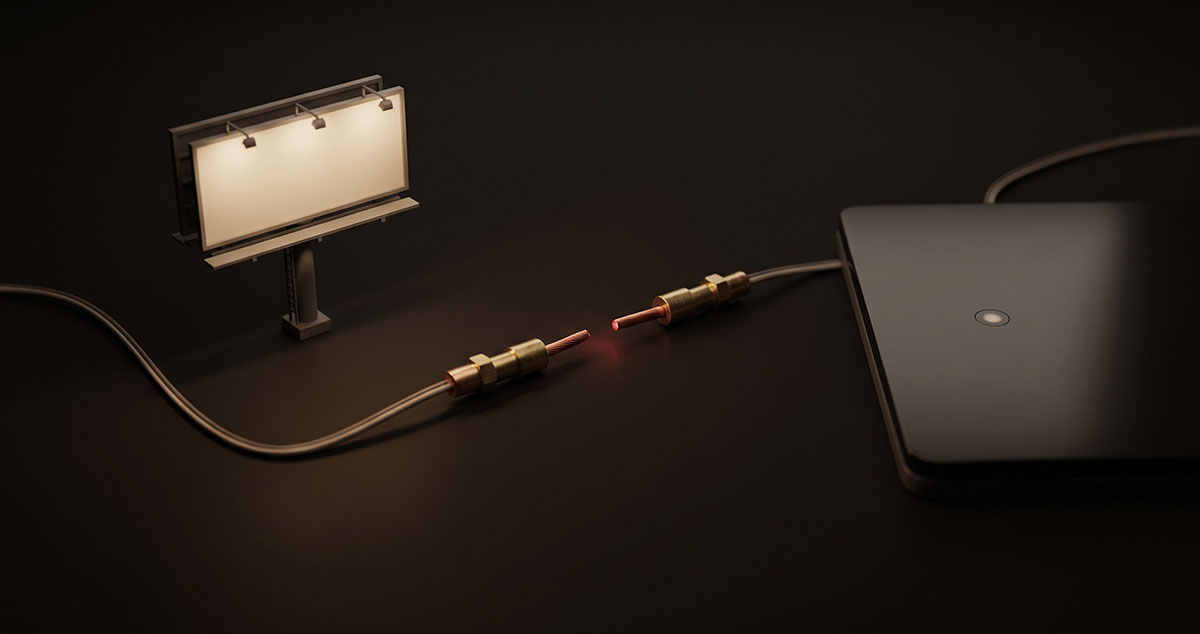
Closed-loop attribution changes the structure of the problem. It closes a missing circuit between the physical world and the digital transaction layer. A billboard exposure, once treated as a passive impression somewhere near the top of the funnel, can now become the first link in a traceable chain that ends with a verified business outcome.
The deeper implication is larger than out-of-home advertising. Closed-loop attribution forces a more uncomfortable question: how much credit has been assigned to the wrong channels simply because those channels were easier to measure?
The Open Loop Problem
A driver passes a billboard at 65 miles an hour. The exposure lasts three seconds. The impression is logged. Then the driver continues down the highway, and the system goes silent.
For decades, that silence defined the limit of physical media measurement. The billboard could be counted as an exposure, but whatever happened afterward belonged to another world. If the same consumer later searched for the brand, visited the website, filled out a form, or completed a purchase, those actions lived inside digital systems. The physical exposure and the digital transaction were separated by a data gap.
The deeper problem was structural. Exposure happened in the physical environment. Purchase happened inside an e-commerce platform, CRM, or website analytics system. Between those two events, there was no thread.
That made physical media an open loop.
The open loop didn’t mean the advertising was ineffective. It meant the organization couldn’t prove effectiveness with the same confidence it could claim from channels closer to the transaction. That distinction matters enormously in rooms where media plans are defended, budgets are cut, and channels compete for investment.
A channel that creates influence but can’t prove it will always be vulnerable to a channel that captures evidence near the end of the buyer journey.
This is where the old measurement system quietly shaped organizational behavior. When proof is unavailable, proxy metrics become institutional substitutes for proof. Traffic estimates begin to carry more authority than they deserve. Correlation starts to sound like causation. A budget becomes defensible without actually being defended.
What Closed-Loop Attribution Changes
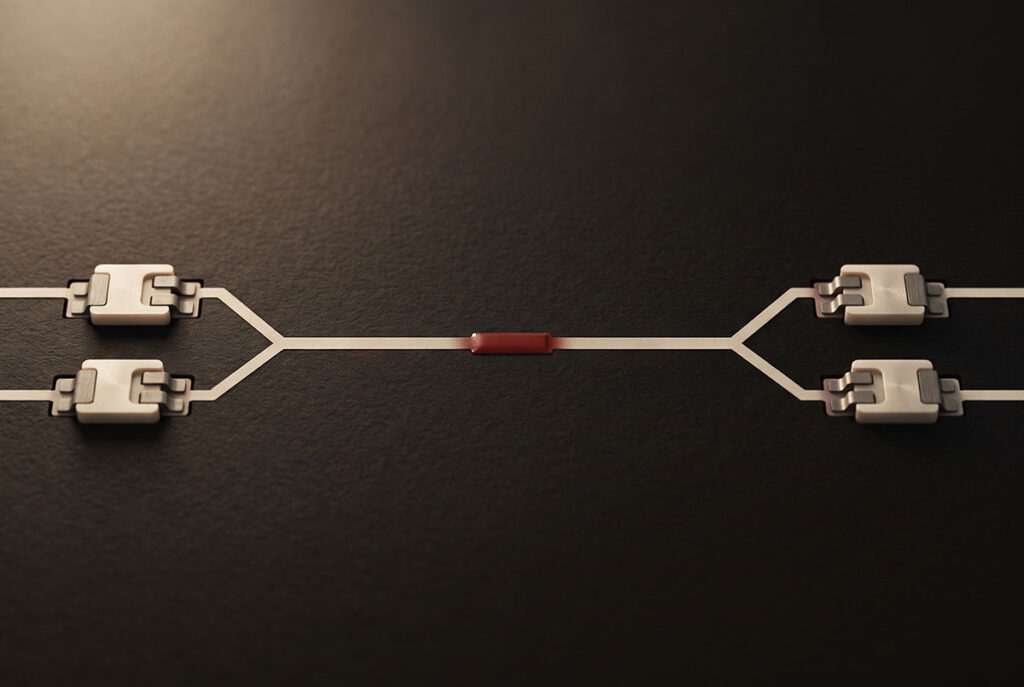
Closed-loop attribution closes the gap between exposure and outcome. The change is architectural.
The methodology allows marketers to track a consumer from initial exposure to a physical advertisement through to a verified downstream action. The important shift is continuity. Instead of treating the billboard as a disconnected awareness mechanism, the system turns it into a measurable starting point. The physical impression becomes the first event in a sequence.
That sequence can then move through device identity, household resolution, and purchase confirmation. The billboard no longer disappears into the environment. It becomes part of an observable data chain.
This is why closed-loop attribution changes the theory of physical media itself. Under the old model, out-of-home advertising was often treated as background influence: valuable, but difficult to isolate. Under the closed-loop model, physical exposure becomes a measurable input into commercial behavior.
Proxy metrics lose their old authority inside that framework. Estimated circulation becomes less central. Generalized traffic counts carry less weight. The question becomes whether an exposed identity can be connected to a verified action.
The circuit closes.
Turning Physical Space Into Data
Closed-loop attribution begins with the physical environment itself. Every digital billboard has a viewshed, which is a mathematically calculated geographic perimeter defining where the screen is visible from and at what angle.
This matters because exposure can’t be treated as a vague radius around a media asset. A person isn’t meaningfully exposed just because they’re nearby. They have to be positioned within the actual line of sight.
The viewshed turns visibility into geometry.
When a consumer carrying a smartphone enters that perimeter and remains there long enough, background systems can detect the device and capture its Mobile Advertising ID, often called a MAID. This isn’t a name, a phone number, or a direct personal identity. It’s an anonymous device identifier that marks a specific phone as having been present at a specific place and time.
That step translates a passive physical structure into a deterministic audience pool. The billboard is no longer merely presumed to have reached people. The system can identify a set of devices that were actually exposed.
The system now knows which anonymous devices passed through the measurable exposure zone. That creates the next problem.
The Device That Sees Is Rarely the Device That Buys

A mobile identifier solves the exposure problem, but the conversion problem remains. People don’t usually complete complex purchases while driving down a highway. They may see the billboard from a car, but they complete the action later, often at home, on another device.
The device that captured the exposure and the device that executes the purchase are rarely the same device.
This is the device fragmentation problem. Without a way to resolve it, the attribution chain snaps at the phone. The system may know that a smartphone was exposed to the billboard, but if the consumer later converts on a desktop, the original signal disappears unless there’s a bridge between those devices.
That bridge is the identity graph.
An identity graph maps anonymous device identifiers to a broader household or user profile. In this context, it takes the mobile advertising ID captured near the billboard and connects it to the other devices associated with the same household, such as laptops, tablets, desktops, and connected TVs.
This is the point where the physical exposure survives the handoff. The signal moves from the highway to the home. The billboard exposure recorded on the phone can now be associated with purchase behavior that occurs later on another device.
Without identity resolution, physical media attribution becomes a chain with a broken link. With it, the signal continues.
Matchback and the Proof of Revenue
Closed-loop attribution earns its name at the revenue layer.
A brand’s back-end systems record completed transactions. The e-commerce platform logs purchases. The CRM stores customer records. The website records conversions. These systems create a verified list of people or households who took the desired action.
Separately, the attribution engine holds a database of exposed device identities. Matchback analysis compares those two lists. When an exposed identity appears in the purchaser log, the system confirms the match and attributes that revenue back to the physical campaign.
This is the moment physical media stops relying on inference alone. The billboard didn’t merely generate impressions. It generated a measurable, attributable share of revenue with the data trail to support the claim.
The proof is the match.
That distinction changes the conversation around return on ad spend. Instead of asking whether a billboard probably influenced behavior, the organization can ask which exposed identities later converted, how many of them converted, and what revenue value was attached to those conversions.
The Landing Case Study
The architecture becomes harder to dismiss when it appears in a real campaign. Landing, a direct-to-consumer brand in the flexible lease market, ran a campaign with a clear mandate: drive measurable online lease applications through passive digital billboard placements.
The campaign’s structure mattered. This wasn’t a vague brand awareness exercise dressed up after the fact as performance marketing. The point was to test whether billboard exposure alone could be connected to measurable downstream behavior.
Landing’s media partner used programmatic platforms to capture viewshed MAIDs, then matched those exposed device identities against web pixel conversion data logged on Landing’s own site. The result was a deterministic increase in site registrations, supported by a traceable data path from physical exposure to digital action.
That kind of evidence changes the standing of physical media inside a budget conversation. It gives out-of-home advertising something it has often lacked: a verified connection between presence in the world and action in the funnel.
The Landing case study matters because it demonstrates the full architecture under pressure. The billboard creates the exposure. The device identity captures the contact. The identity graph carries the signal across devices. The matchback connects that exposure to a verified outcome.
The result isn’t directional confidence. It’s evidence.
The Last-Click Distortion

Closed-loop attribution creates a business problem because it corrects a measurement habit many organizations have learned to trust.
Last-click attribution assigns all conversion credit to the final touchpoint before purchase. Usually that means a branded search ad or a retargeting banner. The logic feels intuitive because the final click is easy to see. The conclusion is often wrong because the final click may have captured intent that was created earlier.
A consumer may pass a billboard on Tuesday, search the brand on Thursday, and convert on Saturday. In a last-click model, the search ad receives the credit. The billboard disappears from the story.
That disappearance is the distortion.
Physical media can create memory, familiarity, and intent long before the consumer enters a measurable purchase path. Search often receives credit because it stands near the transaction. It looks decisive because it appears at the end.
This is attribution theater: organizations optimize endlessly for bottom-of-funnel capture while systematically underfunding the channels that created the demand being captured.
The numbers look certain. The capital allocation is broken.
Last-click models fail because they look at the last act of a longer play and declare the ending the whole story.
The Integrated Data Ecosystem
Closed-loop attribution doesn’t run on a single platform. It depends on synchronized handoffs between programmatic networks, location intelligence providers, identity graphs, clean rooms, analytics platforms, and the brand’s own transaction systems.
That architecture requires coordination. The location layer has to determine whether exposure occurred. The identity layer has to preserve the signal across devices. The transaction layer has to confirm the commercial outcome. The clean room or privacy-safe environment has to allow matching without exposing raw personal data unnecessarily.
This makes closed-loop attribution powerful, but it also makes it operationally demanding. The system only works if each layer can communicate with the next without losing the signal, violating privacy constraints, or breaking the chain.
The organizational consequence is just as important. Marketing, sales, media, analytics, and finance often operate from different dashboards and different assumptions. Closed-loop attribution pressures those silos by creating a shared data layer that connects exposure, identity, action, and revenue.
That makes the technology politically disruptive. When a measurement system becomes more accurate, it changes who can claim credit. It changes which channels look efficient. It changes which budgets look inflated. It changes which assumptions can survive scrutiny.
Attribution is institutional.
Privacy, Physical Presence, and the Future of Measurement
The timing of closed-loop attribution matters because the digital tracking environment is changing. Privacy regulations, platform restrictions, and the erosion of traditional identifiers have made many older digital attribution models less stable than they once appeared.
The clean, deterministic fantasy of digital measurement has been weakening.
In that context, physical presence data paired with verified transaction data becomes strategically important. It provides a different foundation for measurement: structured matching between exposed device pools and verified outcomes inside privacy-conscious systems.
That doesn’t make the system simple. It requires governance, compliance, clean rooms, anonymized identifiers, and careful handling of data relationships. But it gives marketers a more defensible architecture than the old world of broad traffic estimates on one side and overcredited last clicks on the other.
The traffic count era ended quietly. The data science era doesn’t have the luxury of estimation.
Demand Built Versus Demand Captured
The most important distinction in this entire discussion is the difference between media that builds demand and media that captures it.
Demand capture is easy to overvalue because it happens near the conversion. Search ads, retargeting, and final-click mechanisms often appear efficient because they operate after intent has already formed. They stand at the doorway and collect the person who was already walking in.
Demand generation works earlier. It creates memory. It shapes consideration. It builds familiarity before the consumer announces intent through a click, a search, or a form fill.
Physical media often belongs to this earlier category. It enters the consumer’s environment before the purchase path is visible. It may create the recognition that later makes the search happen. It may supply the familiarity that makes the brand feel selectable when the consumer finally enters the market.
Closed-loop attribution matters because it gives demand generation a better evidentiary structure. It helps reveal whether a channel that looked vague from the old reporting system was actually doing the work that made later conversion possible.
This changes the moral economy of measurement. Channels that merely harvest intent should not receive all the credit for intent they didn’t create. Channels that build demand should not be penalized simply because their influence begins before the dashboard can see it.
Physical Media Stops Asking to Be Believed
For a long time, the people buying physical media had to ask for trust. They had proxies. They had estimates. They had correlations dressed up as confidence.
Closed-loop attribution changes the burden of proof. Physical media no longer has to rely only on the argument that it probably worked. It can be verified against downstream behavior.
That shift has consequences in both directions. It validates channels that were chronically underfunded because last-click models couldn’t see them clearly. It also exposes channels that collected credit for demand they merely captured.
The larger implication is uncomfortable. If closed-loop attribution proves that a billboard helped drive the sale, then the question isn’t only whether out-of-home deserves more credit. The question is how many budget decisions were built on attribution systems that gave credit to the easiest thing to measure rather than the thing that actually moved the consumer.
The industry used to ask whether physical media worked.
The better question now is who has been taking credit for demand they didn’t create.
Frequently Asked Questions
What is closed-loop attribution and how does it work?
Closed-loop attribution is a methodology that connects a consumer’s first exposure to an advertisement with a verified downstream business action. In physical media, it typically works through three steps: capturing anonymous device exposure inside a billboard’s viewshed, resolving that device to a broader household profile through an identity graph, and comparing exposed identities against confirmed purchaser records through matchback analysis.
What is a viewshed in advertising?
A viewshed is the calculated geographic area from which a billboard or digital display is actually visible. It matters because proximity alone doesn’t prove exposure. A person can be near a media asset without seeing it. Viewshed analysis turns exposure into a more precise physical boundary.
Why does closed-loop attribution matter for out-of-home advertising?
Out-of-home advertising has historically relied on proxy metrics such as estimated circulation, traffic counts, and directional lift. Closed-loop attribution gives physical media a stronger evidentiary structure by connecting actual exposure to verified actions, which helps marketers defend investment with business outcomes rather than estimates alone.
What is the last-click attribution fallacy?
Last-click attribution gives all conversion credit to the final touchpoint before purchase, often a branded search ad or retargeting banner. The flaw is structural: the final clicked channel may have captured demand that another channel created earlier. Closed-loop attribution makes that earlier influence harder to erase.
What is matchback analysis in marketing attribution?
Matchback analysis compares a database of ad-exposed anonymous identities against a verified list of purchasers. When an exposed identity appears in the purchaser log, the system attributes revenue back to the campaign that generated the exposure.
How does closed-loop attribution change marketing budget decisions?
It helps marketers distinguish between channels that build demand and channels that capture it. That distinction matters because many budgets have favored bottom-of-funnel channels simply because they appear closer to the sale. Closed-loop attribution gives upper-funnel and physical media a stronger way to prove their role in revenue creation.