
Kraft Heinz’s 2024 Ketchup Smiles Ad Backlash
The Kraft Heinz Smiles backlash began after a 2024 Joker-inspired advertisement showed a Black man with an exaggerated ketchup-red grin that evoked the history of blackface and minstrelsy imagery. The execution passed through creative review, cultural strategy, production, executive approval, and multinational deployment before the public identified the association. The advertising failure closes cleanly: Kraft Heinz had optimized its Agile at Scale approval system for velocity without preserving enough historical and cultural scrutiny. The campaigns didn’t cause the company’s wider financial problems, but they exposed the fragility of a brand system that had become faster at publishing meaning than interpreting it.
In October 2024, with Halloween approaching and a Joker sequel in theaters, Kraft Heinz found the cultural moment it wanted to borrow. The creative idea behind its Heinz Smiles campaign was simple enough: consumers have an almost irrational relationship with ketchup, reaching for it automatically, applying it without measuring, and recognizing the bottle almost instinctively. The campaign turned that attachment into a visual joke by photographing actors laughing with ketchup smeared widely around their mouths, echoing the Joker’s painted grin.
The campaign was called Heinz Smiles, and its tagline was “It Ha Ha Has to Be Heinz.” The idea was easy to understand, visually direct, and closely tied to the product. That coherence helped conceal the danger inside one of its executions.
One advertisement showed a Black man with an exaggerated ketchup-red smile. The image passed through creative development, cultural strategy, production, executive approval, and multinational review before it appeared in public. Once released, audiences identified an association the entire approval chain had failed to recognize: the image evoked the long history of blackface and minstrelsy caricature.
The public backlash was immediate, but the decisive failure had occurred earlier. The case turns at the moment Kraft Heinz’s review system looked at the finished image and approved it.
The Machine That Forgot to Look
The Heinz Smiles campaign emerged from an operating system Kraft Heinz had built to solve a genuine business problem.
For much of the decade following the 2015 merger of Kraft and Heinz, the company followed a strategy of aggressive austerity. Costs were reduced, margins were protected, and familiar pantry brands were expected to maintain their relevance without sustained marketing investment. For a time, that assumption appeared defensible. Products such as Heinz ketchup and Kraft macaroni and cheese were deeply established, widely recognized, and embedded in everyday consumer habits.
Over time, however, brand relevance began to erode. Sales volumes declined, and legacy products lost ground to companies that continued investing in visibility, cultural relevance, and consumer attention. The pantry staples that were expected to market themselves were gradually being outperformed by brands that kept showing up.
Kraft Heinz responded with a significant strategic reversal. By 2024, the company had committed approximately $1.2 billion annually to marketing and expanded its internal content operation, The Kitchen. The goal was to rebuild brand equity and make established products culturally active again.
That required speed. Traditional campaign development was considered too slow for a media environment driven by rapidly changing trends, social conversation, and fleeting cultural moments. Kraft Heinz wanted a system capable of identifying those moments and responding while they were still commercially useful.
The company called the model Agile at Scale.
Agile at Scale

Traditional corporate advertising systems are often inefficient. Campaigns move between agencies, clients, legal departments, regional teams, and senior executives. Concepts can pass through several rounds of revision, and useful ideas may be weakened or delayed by excessive review. Cultural opportunities can disappear before a company is ready to respond.
Kraft Heinz sought to remove that friction. Its internal agency, The Kitchen, could work alongside external creative partners and distribute content across multiple markets. Accelerated production systems and generative AI tools allowed campaign timelines to shrink dramatically. Work that once required weeks could sometimes be produced in hours.
That compression was a deliberate feature of the strategy. The pipeline had been engineered for velocity, and the steps that slowed it down were removed by design.
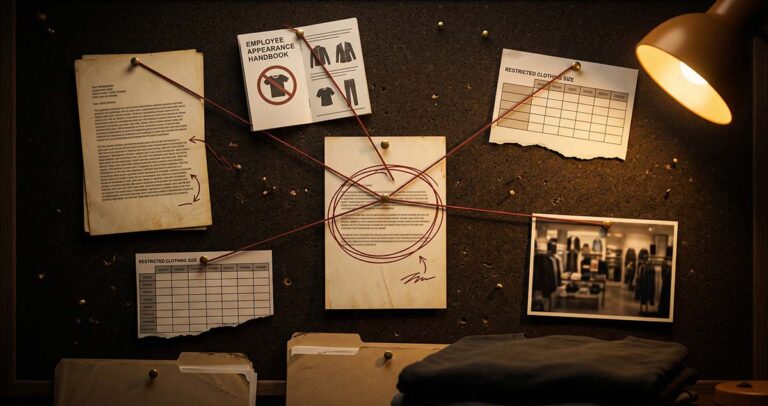
What the company appears not to have examined closely enough was the protective function some of that friction had served. A slower process does more than delay publication. It creates distance between the excitement of an idea and the judgment required to approve it. It gives people outside the immediate creative momentum time to notice unintended meanings, challenge assumptions, and ask whether an execution carries associations its creators did not intend.
Some corporate friction is waste, but some friction is observation. Kraft Heinz became highly efficient at removing the former without creating a dependable substitute for the latter.
The Room That Said Yes
GUT New York and The Kitchen developed the Heinz Smiles campaign around a diverse group of actors photographed in states of intense laughter. Ketchup was applied broadly around their mouths to connect product obsession with the Joker’s exaggerated grin. The cultural reference was recognizable, the product link was direct, and the campaign’s internal logic was easy to follow.
One specific combination of image and actor carried a much older meaning.
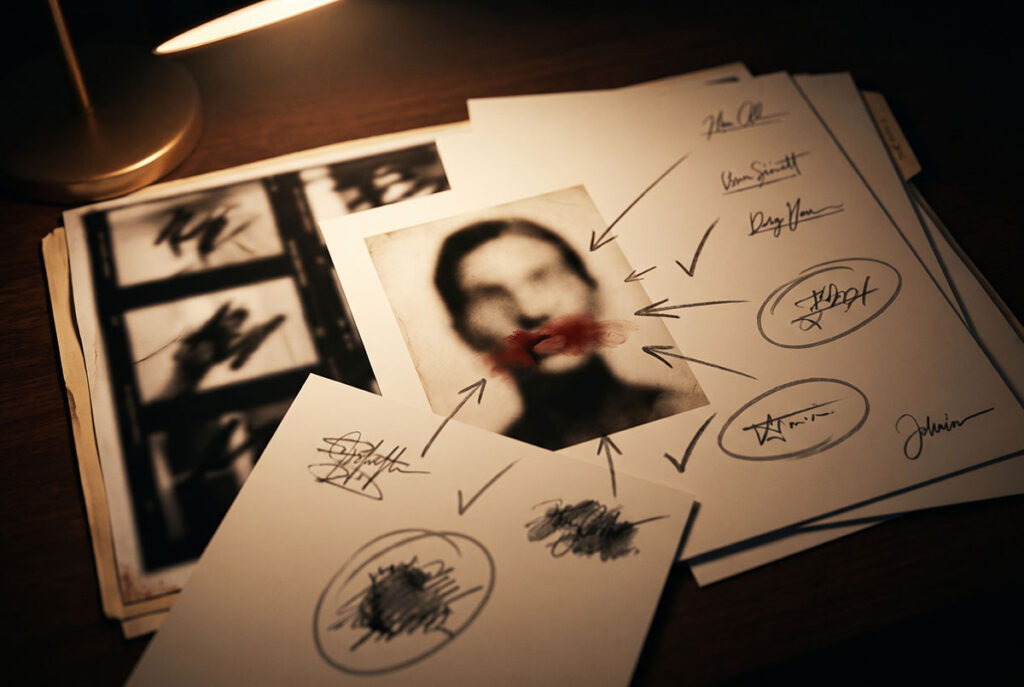
The image of a Black man with exaggerated red lips did not acquire its historical significance when people criticized the campaign. That significance existed before the image was created. Similar imagery has a century-long history of caricature, degradation, and deliberate dehumanization.
The campaign’s creators intended a Joker reference, but intention does not control interpretation. Images enter the world carrying histories that exist beyond the creative brief. The public did not invent the association after release. It recognized an association already present in the execution.
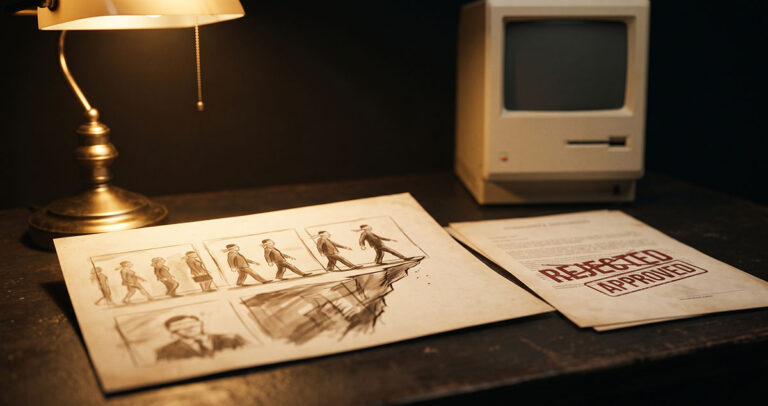
The image was pitched, reviewed by cultural strategists, approved by executives, and released across European markets. That sequence is what makes the case more serious than a single creative misjudgment.
Advertising teams routinely produce ideas that should never survive review. The existence of a bad concept is not unusual. The more consequential failure occurs when every professional checkpoint examines the completed work and allows it to proceed.
Kraft Heinz’s approval system had been built to remove friction, and it performed exactly as designed. It simply removed the wrong kind.
The Pattern Underneath

The Heinz Smiles controversy might have been treated as an isolated error had another Kraft Heinz campaign not raised a related concern during the same period.
Weeks earlier, the company had released its Family Portraits campaign in London to promote family-sized pasta sauces. The stated creative objective was to challenge idealized portrayals of domestic life by showing more realistic and diverse families. One billboard depicted an interracial wedding reception with a Black bride seated beside her white husband. His two white parents appeared at the table, as did her Black mother.
Her father was absent.
To an outside observer, that absence might appear accidental. In professional advertising production, however, casting is planned in detail. The number of people, their demographic characteristics, their relationships, and their positions within the scene are typically established during pre-production. Agencies, production teams, and clients review those decisions before the final image is released.
Someone chose to represent the groom with two parents and the bride with one. That composition then passed through the company’s review structure and reached London Underground stations before the omission drew criticism.
The Heinz Smiles and Family Portraits campaigns involved different products, settings, and creative circumstances. What they shared was the company’s approval environment. The same broader system that failed to recognize the historical meaning of the ketchup-red grin also failed to notice that a Black father had disappeared from his daughter’s wedding scene.
Two incidents do not prove that every accelerated campaign will create offensive work. Speed alone does not produce cultural ignorance, and slow organizations are fully capable of approving harmful advertising. The evidence supports a narrower conclusion: Kraft Heinz removed time and resistance from its production process without installing a reliable substitute for the cultural judgment those conditions had sometimes provided.
The company’s campaign machine became faster, but its interpretive capacity did not improve at the same rate.
The Limits of the Case
Both campaigns were removed, and Kraft Heinz issued apologies acknowledging the harm caused by the executions. Those apologies addressed the public consequences but revealed little about the internal systems that had allowed the work to proceed.
That distinction matters because the campaigns appeared during a period of wider pressure inside Kraft Heinz. The company was experiencing declining volumes across important product lines and later recorded a multibillion-dollar impairment charge, reflecting a reduced valuation of key assets and brands.
It would be misleading to claim that the advertising controversies caused those financial problems. The Heinz Smiles campaign did not independently produce a multibillion-dollar writedown, nor did it create the company’s broader operational challenges.
The campaigns did something more revealing. They exposed the fragility of a brand system already under strain.
Public advertising failures often reveal more than the quality of one creative execution. They show how an organization interprets risk, distributes authority, values dissent, and decides which questions deserve additional time. Kraft Heinz had invested heavily in cultural relevance and rapid production, yet the system designed to capture contemporary meaning failed to recognize older meanings embedded in its own work.
Advertising Is Applied Semiotics
Advertising depends on the assumption that images carry meaning beyond their literal content. Casting choices communicate relationships. Gestures invoke social codes. Colors, clothing, expressions, and visual references bring cultural histories with them.
Kraft Heinz understood the commercial value of those associations well enough to invest heavily in using them. The Heinz Smiles campaign was designed around a recognizable film reference, a seasonal mood, and a familiar consumer behavior. Its power depended on the audience connecting the image to meanings outside the product itself.
The failure came from treating only the intended association as relevant.
The same cultural history that makes an image powerful can also make it dangerous. Those conditions cannot be separated by a creative brief. A company does not control which meanings remain available once an image enters public view.
The harm inside the Heinz Smiles execution was not manufactured by the backlash. It was already present, waiting in the visual archive for someone to recognize it.
Kraft Heinz did not build a machine that simply overlooked the history. It built a machine whose priorities made overlooking that history more likely.
The Value Judgment Behind Velocity
The deepest issue in the Kraft Heinz case is not whether companies should move quickly. Modern marketing teams must respond to cultural events faster than traditional corporate systems often allow. Excessive bureaucracy can weaken creativity, waste resources, and make brands irrelevant.
The real question is what disappears when speed becomes the organizing principle of the entire system.
A production timeline determines how long people have to interpret an image, who gets an opportunity to object, whether regional and historical knowledge enters the process, and whether uncertainty is treated as useful information or as an obstacle to publication.
Speed is often described as a neutral operational advantage. It is not neutral. Designing a faster approval process means deciding which forms of scrutiny can be shortened, automated, combined, or removed.
That is a value judgment.
The Heinz Smiles campaign shows what can happen when an organization becomes exceptionally efficient at producing cultural meaning but remains poorly equipped to examine all the meanings it is about to release.
Frequently Asked Questions
What happened with the Kraft Heinz Smiles campaign?
Kraft Heinz released the Heinz Smiles campaign in 2024 using images of actors with ketchup spread widely around their mouths. One execution showed a Black man with exaggerated red lips. Viewers connected the image to blackface and minstrelsy imagery, prompting backlash, removal of the campaign, and a public apology.
Why was the Heinz Smiles advertisement considered offensive?
The advertisement combined a Black actor with an exaggerated red mouth, a visual arrangement with a long history in racist caricature and deliberate dehumanization. Although the intended reference was the Joker, the historical association already existed within the completed image. Public criticism recognized a meaning the campaign’s approval system had failed to identify.
Did Kraft Heinz’s approval system cause the backlash?
The decisive failure occurred when the completed image passed through creative review, cultural strategy, production, executive approval, and multinational deployment. The system didn’t create the historical meaning, but it failed to stop an execution carrying that meaning. The case therefore points to a structural review failure rather than one careless individual.
What was Kraft Heinz’s Agile at Scale model?
Agile at Scale was Kraft Heinz’s effort to accelerate campaign production and respond to cultural moments more quickly. It reduced conventional development and approval cycles, expanded collaboration with The Kitchen, and used faster workflows, including generative AI. In some cases, campaign development reportedly compressed from eight weeks to eight hours.
What does advertising semiotics mean in this case?
Advertising semiotics is the study and use of meaning carried by images, gestures, casting choices, and cultural references. In Heinz Smiles, the intended Joker reference didn’t erase the image’s older historical associations. The case demonstrates that an advertisement can communicate meanings beyond those consciously intended by its creators.
Was speed itself responsible for the Heinz Smiles failure?
Speed alone doesn’t inevitably produce offensive advertising, and slower organizations can still approve harmful work. The narrower conclusion is that Kraft Heinz removed time and friction without installing a dependable substitute for cultural judgment. Velocity weakened the opportunity for someone to reconsider the image before it reached the public.
Did the campaign cause Kraft Heinz’s financial problems?
No direct causal chain has been established between the advertising backlash and Kraft Heinz’s impairment charges, volume declines, leadership changes, or broader corporate pressure. The campaigns didn’t cause the writedown. They exposed weaknesses within a brand system already struggling with relevance, stewardship, and organizational judgment.
What should other companies learn from the Kraft Heinz Smiles backlash?
Companies should distinguish between unnecessary bureaucracy and protective review. Removing delays can improve responsiveness, but every removed checkpoint may also eliminate time for interpretation, dissent, and cultural scrutiny. Faster production needs an equally strong mechanism for identifying historical associations and unintended meanings before an advertisement is released.