
The Reverse Cosplay Effect: Why You Don’t Need to Love a Character to Become One
Enterprise software loyalty often forms before genuine affection exists. A mascot, avatar, or interface character reduces feature friction, gives the cognitive miser a shortcut, and then becomes familiar through the mere exposure effect. Over time, perceptual fluency makes the tool feel easier to process, and the brain misreads that ease as preference. The Reverse Cosplay Effect names this backward sequence: utility first, repetition second, affection later, identity last.
Nobody joins a fire department because they love the gear. A rookie firefighter pulls on sixty pounds of coat, boots, helmet, and air pack for the first time out of necessity. The alternative is walking into a fire unprotected.
The gear earns its place through function before it earns any emotional meaning. Decades later, that same coat might end up mounted behind glass in a shadow box, treated like a relic. The emotional order runs backward from what most people assume: obligation first, meaning later.
That backward order explains more about software loyalty than most companies want to admit. It changes how you should read every claim a team makes about “preferring” the tools they use.
The Cognitive Miser’s Escape Hatch

Put a professional in front of a new enterprise dashboard on day one and you get the same dread as that rookie firefighter, just a different fire. Nested menus, rigid workflows, data tables built for the engineer who designed the system, not the person trying to get a single task done.
Feature friction is the resistance a user feels when a powerful system is too complex to operate for something simple, and it’s why companies routinely spend millions on backend software their own employees barely touch. Faced with a learning curve that steep, most people don’t push through it. They stall, fall back to a spreadsheet, or file a support ticket and wait.
The brain didn’t evolve to admire complexity. It evolved to survive it.
That survival instinct has a name. A cognitive miser is the brain’s default setting under mental overload. Instead of weighing every option carefully, it grabs the nearest shortcut that gets the job done. Hand it a wall of specifications and it doesn’t analyze. It escapes.
The Reverse Cosplay Flip
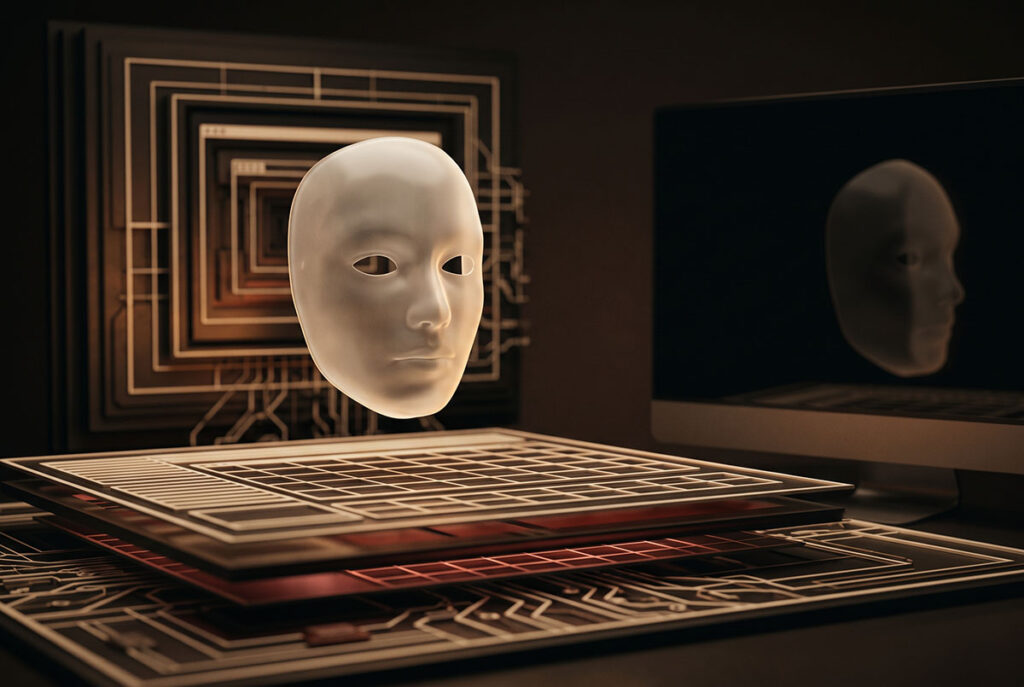
Software architects solve that escape instinct by building a mask instead of a menu. A friendly conversational avatar sits in front of the database, taking plain-language requests instead of forcing anyone through nested tables.
The mascot’s real job has nothing to do with being likable. It exists to hide how much complexity is running underneath it.
Traditional cosplay has an order to it. You love the character first, build the costume second, wear it out into the world third. Enterprise software runs that sequence backward. Nobody logs in adoring the mascot. They’re handed a task, they use the avatar to get through it, and only after thousands of repeated logins does anything resembling affection show up.
The costume comes first. The emotion arrives later, if it arrives at all.
That reversal is the whole trick, and it reaches beyond software. The same order produces loyalty to a workplace process, a piece of equipment, or an institution. Use it out of necessity long enough, and the necessity quietly rewrites itself as preference.
Psychological Camouflage and the Mere Exposure Effect
Brand loyalty to that software begins with the mascot quietly doing the same job every day, turning a database nobody understands into a conversation anybody can have. This is psychological camouflage: a friendly interface compressing enormous backend complexity so the user never feels like they’re learning something new.
Every click, at this stage, is transactional. Get the task done, log off, don’t think about it again.
But a daily login is a persistent force. Every interaction with the avatar is low stakes, visually identical, and completely predictable. That predictability activates the mere exposure effect, the brain’s tendency to grow more comfortable with something simply because it keeps encountering it, whether or not it ever consciously evaluates it.
A login screen seen once a day for a year becomes a stimulus repeated hundreds of times. The brain quietly files that repetition as comfort.
Perceptual Fluency and the Loyalty Illusion
Repetition rewires the pathway. The same interface that once demanded attention becomes easier to process because the brain has already learned its shape.
Perceptual fluency is the ease the brain feels when processing something it has seen many times before. That ease itself registers as a small reward. Recognize the mascot instantly, click without thinking, and the brain hands out a tiny hit of satisfaction for the smoothness of it.
Somewhere in that sequence, the user stops noticing the shortcut and starts calling it a preference. The employee mistakes smoothness for affection.
It’s a nervous system taking the path of least resistance and calling the shortcut love.
From Utility to Identity
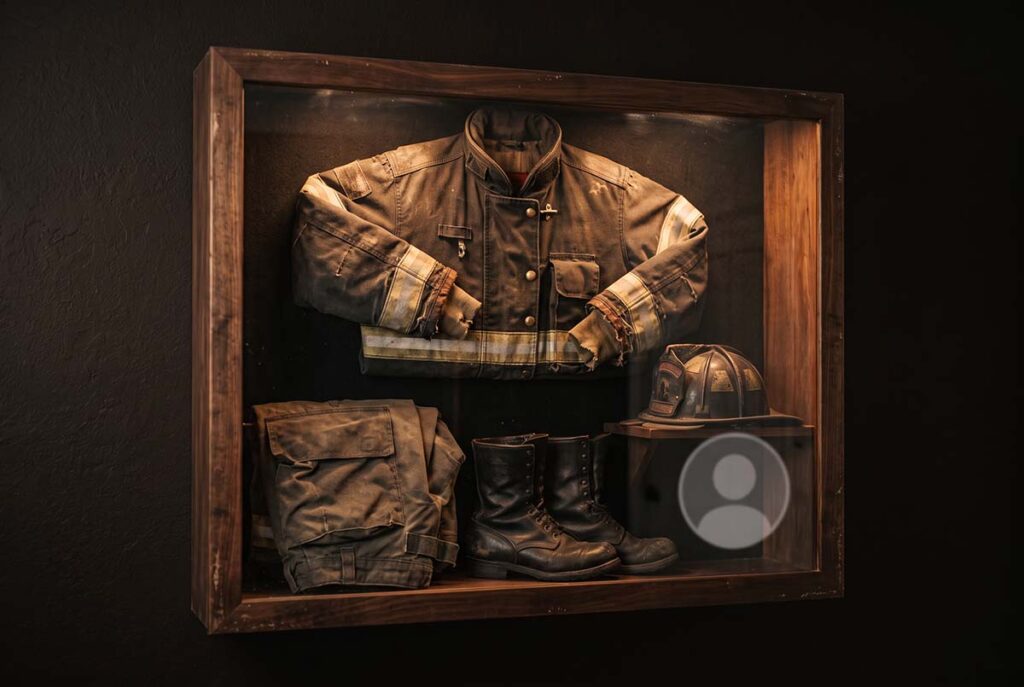
The firefighter’s gear eventually ends up mounted in a shadow box. Required equipment becomes proof of survival, then a piece of identity nobody would voluntarily hand back.
The same shift happens to the mascot. It stops being a tool that finishes a task and starts being evidence that the user can operate a system most people can’t. The sticker goes on the laptop lid. The plush toy sits on the desk. At the industry conference, the mascot gets built forty feet tall, and the crowd gathered around it is broadcasting membership.
Switching costs are the psychological and practical penalties a user pays for abandoning a familiar system. Once a mascot becomes part of someone’s professional identity, those costs stop being rational.
That’s why teams defend software they’ll privately admit is outdated. Rejecting the better platform isn’t stubbornness. It’s a refusal to hand back the badge that proves they survived the learning curve in the first place.
What Enterprise Loyalty Is Really Protecting
A mascot exists to hide complexity before it ever earns affection. Nobody adopts the avatar because they love it. They adopt it because the alternative is a database nobody can navigate.
Do that daily for months and the brain does what it always does with repetition. It gets faster. It gets more comfortable. Then it starts mistaking that comfort for preference.
From there, the mascot stops being something that just gets the workday done and starts representing the user’s own competence at surviving it. Somewhere in that progression, walking away from the software stops being a rational decision and starts feeling like an identity threat.
What gets called enterprise brand loyalty is mostly biological relief, wearing a company badge.
If your team’s favorite tool genuinely isn’t the best tool on the market, how would you even find out, and is anyone on that team actually motivated to look?
That question is worth sitting with the next time a vendor comparison gets shut down before it starts.
Frequently Asked Questions
What is enterprise software loyalty really based on?
Enterprise software loyalty is often less about rational preference than repeated relief. A user faces feature friction, finds the easiest path through the system, repeats that path daily, and begins to experience familiarity as comfort. Over time, that comfort can be mistaken for affection toward the tool.
What is the Reverse Cosplay Effect?
The Reverse Cosplay Effect describes how enterprise software reverses the emotional order of fandom. Traditional cosplay begins with love, then costume, then public identity. Enterprise software begins with a task, then a functional mask, then repetition, and only later produces affection or identity attachment.
What does feature friction mean in software?
Feature friction is the resistance a user feels when a powerful system is too complex for a simple task. It appears when dashboards, workflows, menus, and data structures demand more attention than the task seems to deserve. The user then searches for the fastest shortcut out.
What is a cognitive miser?
A cognitive miser is the brain under mental overload, conserving effort instead of analyzing every available option. In enterprise software, the user often avoids deep navigation and chooses the familiar shortcut because it lowers the immediate cognitive burden.
What is psychological camouflage in enterprise software?
Psychological camouflage is the friendly interface layer that hides backend complexity. A mascot or avatar turns a difficult database into something that feels conversational and manageable. The user doesn’t need to understand the machinery underneath, which makes the system feel easier than it really is.
How does the mere exposure effect create software preference?
The mere exposure effect makes repeated contact feel like comfort. When a user sees the same avatar, login flow, or interface cue every day, the brain begins to process it with less effort. That repeated familiarity can become preference without any conscious evaluation of the product.
What is perceptual fluency, and why does it matter here?
Perceptual fluency is the ease the brain feels when processing something familiar. In software, repeated exposure makes an interface feel smoother and faster to understand. That smoothness creates a small reward, which the user may misread as liking the tool or trusting the brand.
Isn’t some software loyalty still rational?
Yes, some loyalty reflects real product quality, integrations, pricing, or organizational fit. The argument isn’t that all loyalty is false. Teams often mistake habituated ease and identity attachment for objective judgment, especially once switching tools feels like losing competence or status.